

With proper care, your Bernhard H. Mayer® jewellery will last for generations. How to wear and care for your jewellery will depend on the precious metals and stones in your designs.
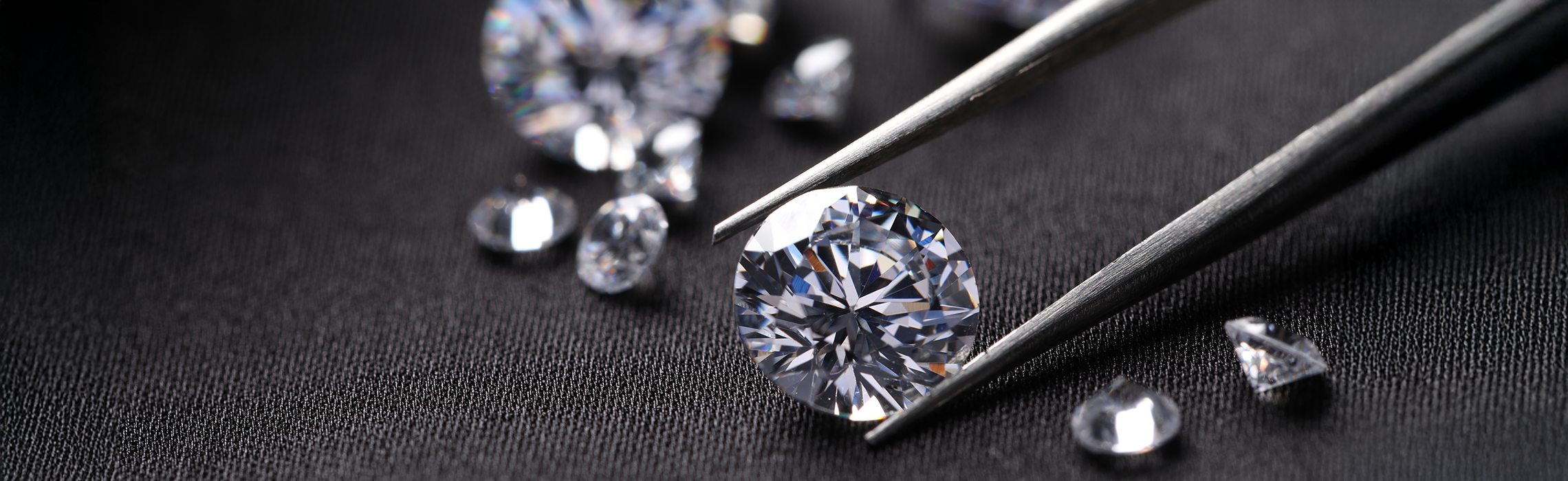
Our Jewellery Repair & Maintenance Services
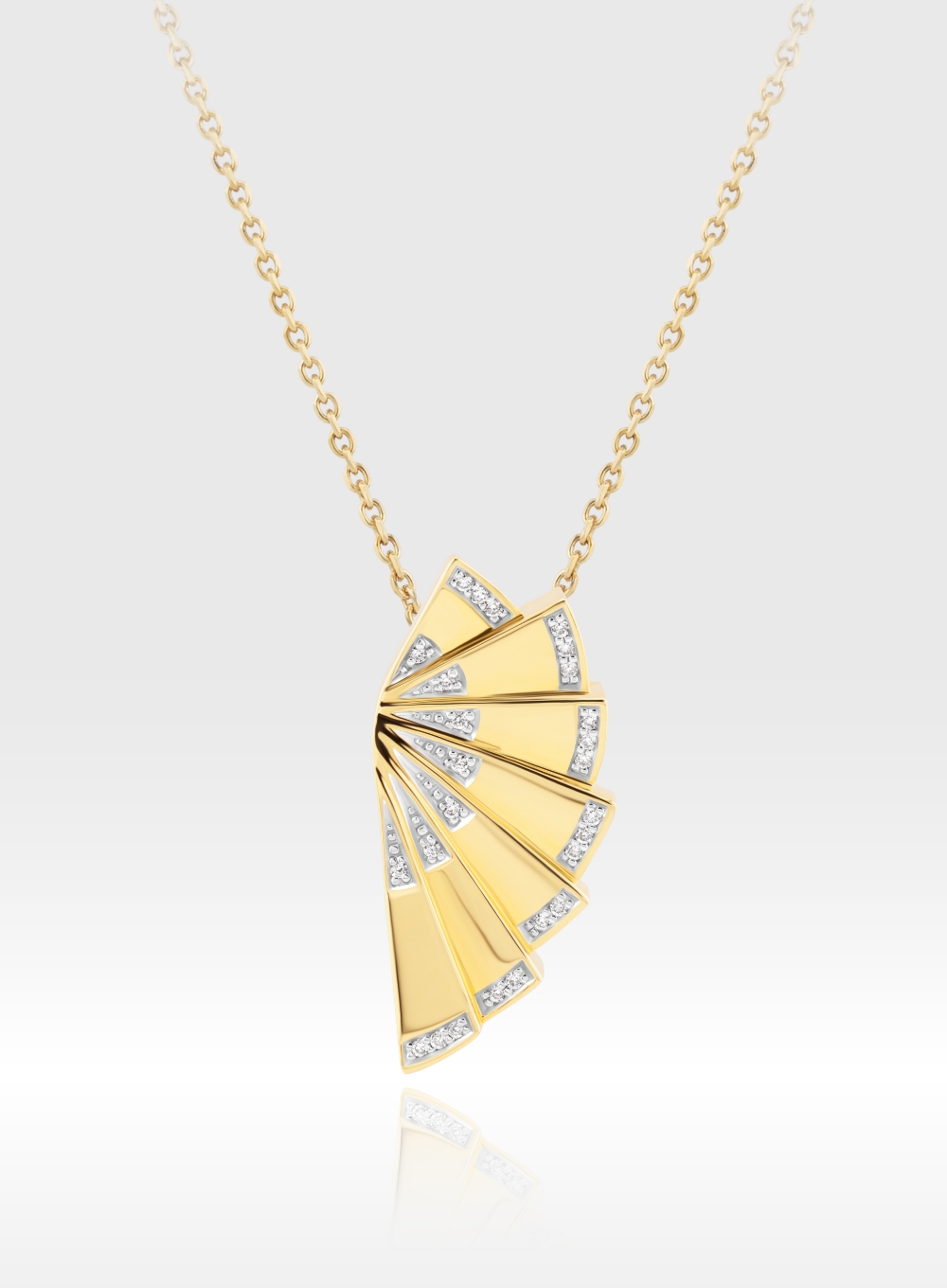
Good to Know
- 18 Karat gold is solid gold mixed with other metals for strength.
- Stronger than pure gold, making it suitable for regular wear.
- White gold may have a rhodium coating that can wear over time.
How to Wear with Care
- Remove jewellery before sports or manual work.
- Avoid stacking pieces that may rub together.
- Handle gently when putting on or taking off.
How to Clean
If the piece is made of solid gold without gemstones, pearls, or rhodium plating:
- Gently wipe the surface with a soft cloth to remove dirt and oils.
- Rinse with clean water.
- Dry thoroughly using a soft, lint-free cloth.
What to Avoid
- Harsh household cleaners, alcohol, acetone, and abrasive brushes.
- Rough handling or heavy impact.
- Wearing during intense physical activity.
Best Storage Tips
- Store separately to prevent scratches.
- Keep away from moisture and heat.
- Use a fabric-lined jewellery box or pouch.
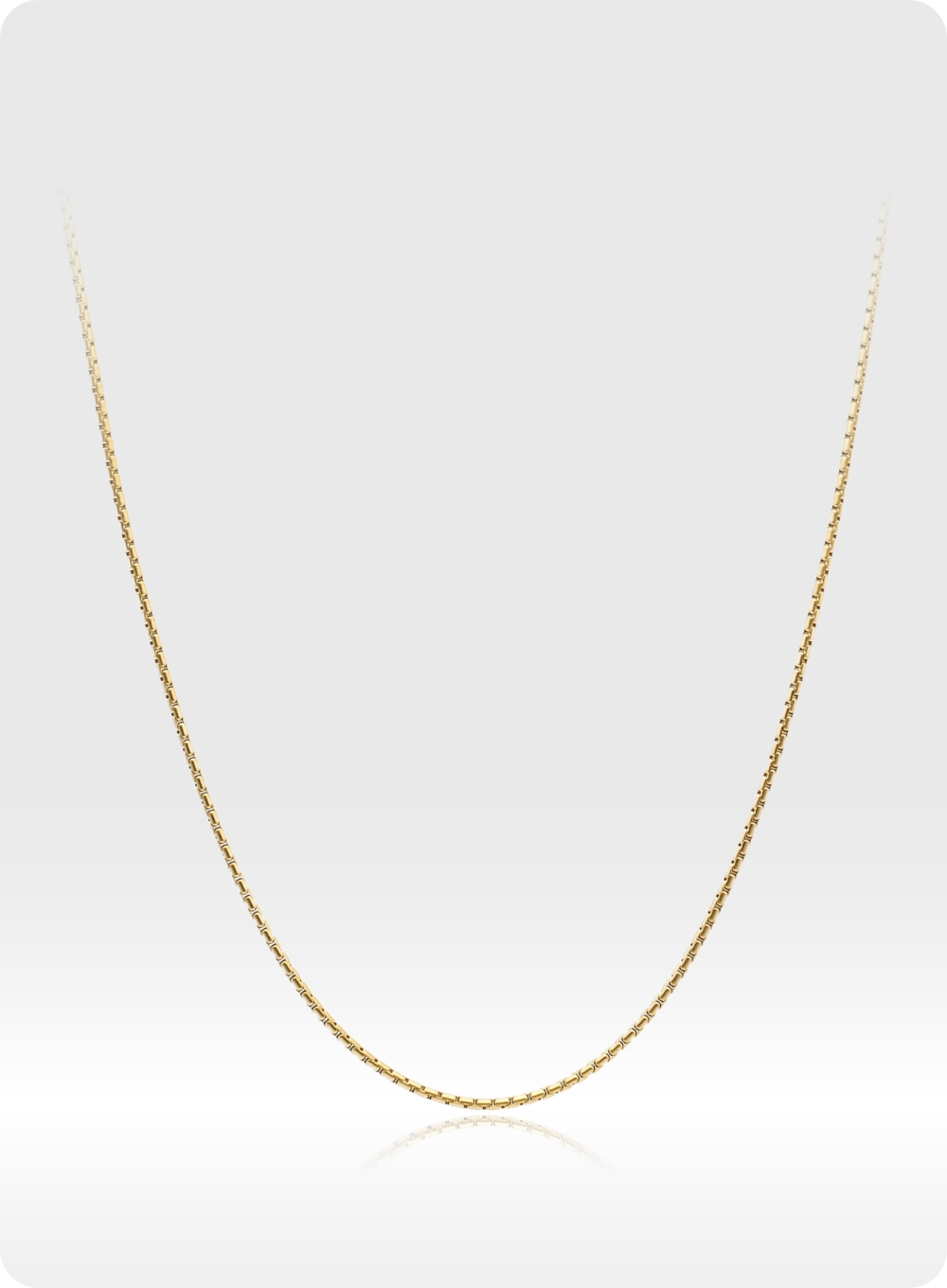
Good to Know
- “Gold plated” means a thin layer of gold over a base metal.
- The gold layer can fade with time and use.
- Gentle care helps keep the colour longer.
How to Wear with Care
- Put jewellery on last, after dressing.
- Remove before showering, sleeping, or exercise.
- Avoid contact with hard or rough surfaces.
How to Clean
- Gently wipe with a soft, dry cloth only.
- If needed, use a very lightly damp cloth with water only.
- Dry immediately and fully.
What to Avoid
- Soap, detergents, and cleaning liquids.
- Long contact with water, especially pool water and sea water.
- Rubbing, polishing, or scrubbing.
- Harsh cleaners, soap, or chemicals, including baking soda.
- Do not use “special gold cloth” or “special silver cloth”, since our pieces are coated. with a protective layer which is damaged by the chemicals in such cloths.
Best Storage Tips
- Store in a cool, dry place.
- Keep pieces separate to prevent scratching.
- Use a soft pouch or lined jewellery box.
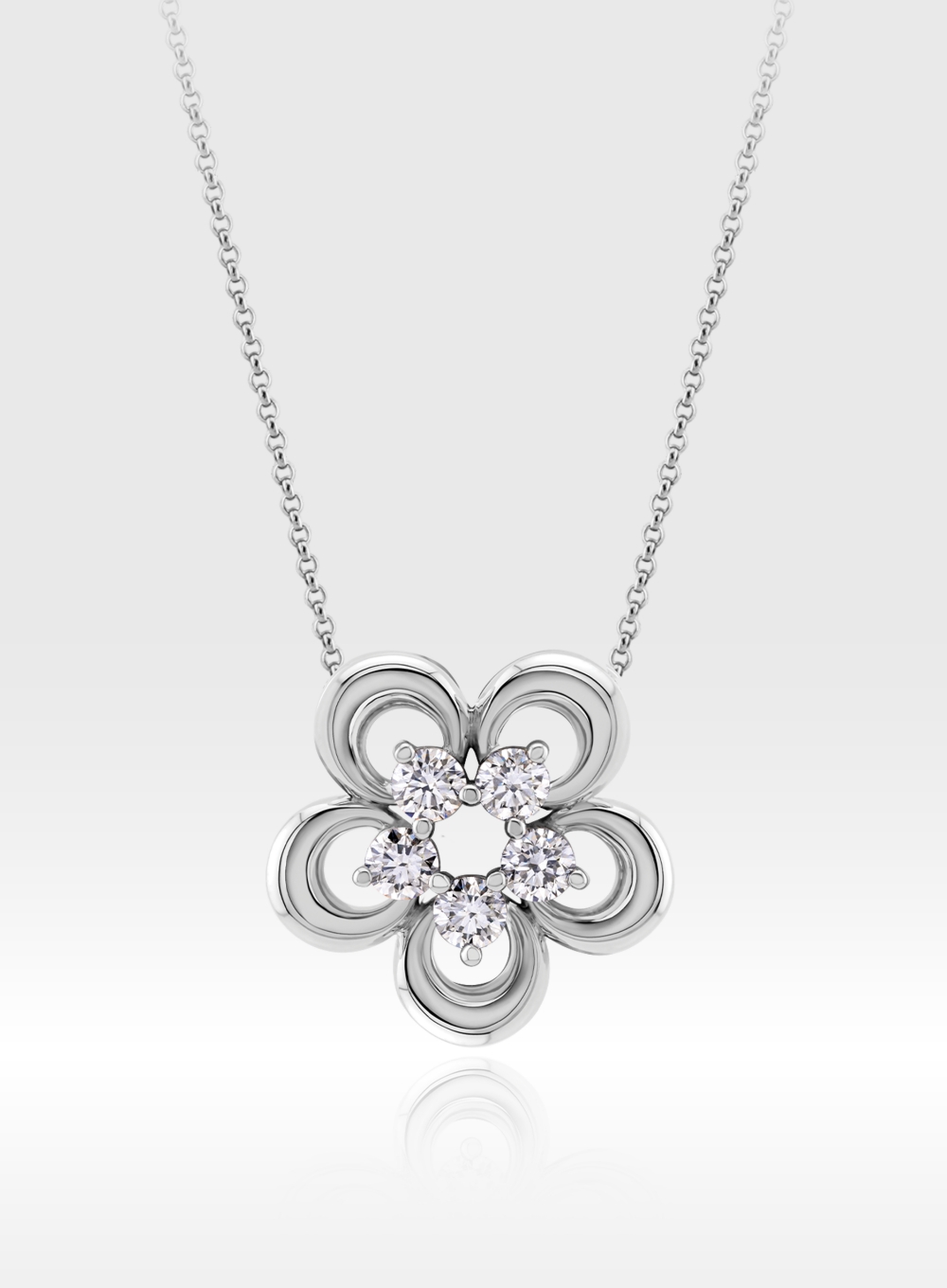
Good to Know
- Platinum is a solid, naturally white metal.
- It does not fade or lose colour.
- Scratches do not remove metal, they only change the surface finish.
How to Wear with Care
- Platinum is strong but can still scratch.
- Avoid wearing during heavy manual work.
- Handle gently when putting on or removing.
How to Clean
- Gently wipe with a soft, dry cloth after wearing.
- If needed, use a slightly damp cloth with water only.
- Dry immediately and fully.
What to Avoid
- Harsh chemicals and abrasive cleaners.
- Rough polishing cloths or compounds.
- Cleaning tools that can scratch the surface.
Best Storage Tips
- Store separately to prevent scratching other jewellery.
- Keep in a soft pouch or lined jewellery box.
- Avoid contact with harder metals and gemstones.
Good to Know
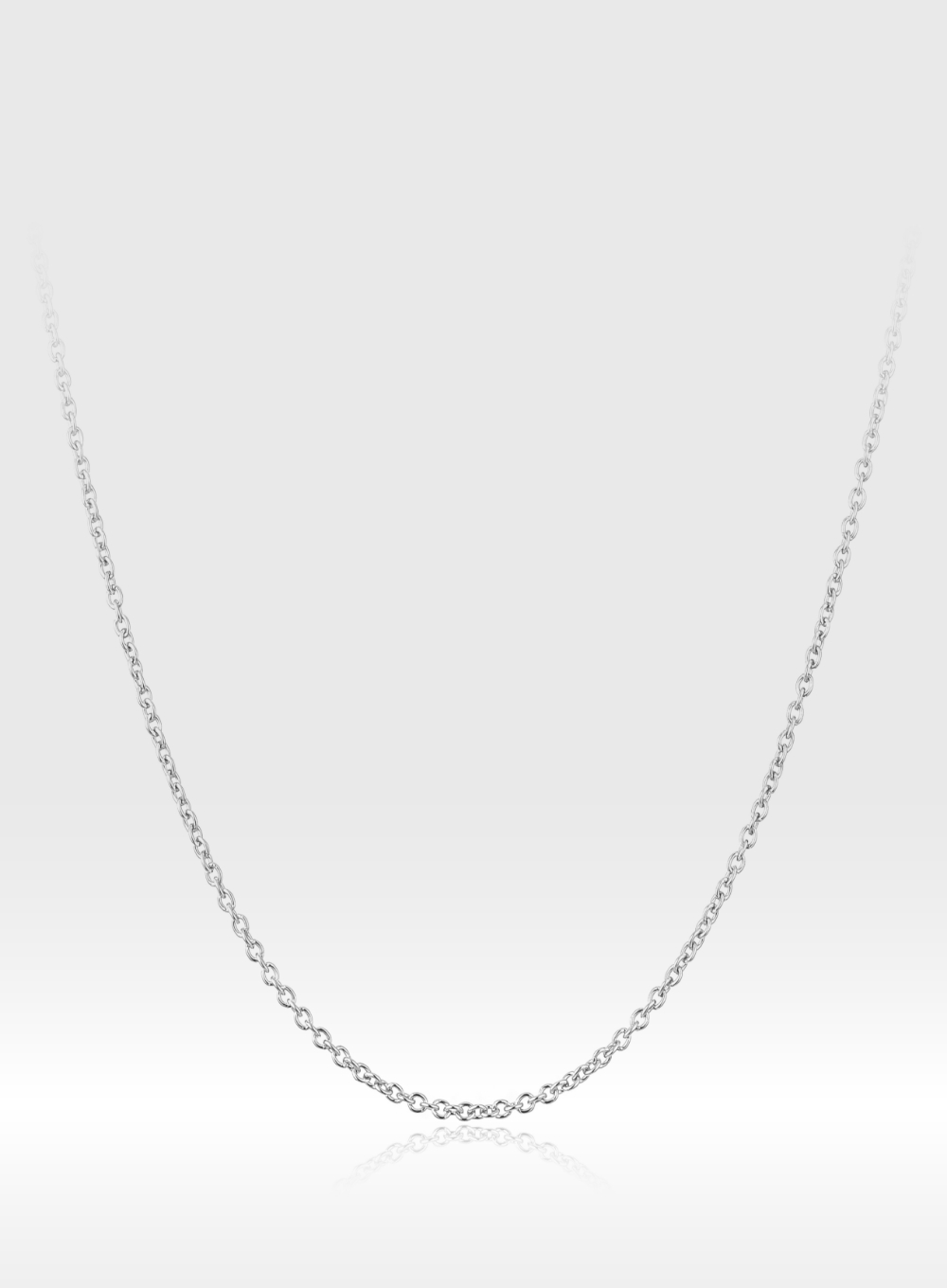
- Rhodium is a thin protective coating, not a solid metal.
- It gives jewellery a bright white, reflective finish.
- The coating can wear away with time and friction.
How to Wear with Care
- Put on last, after perfume and lotion.
- Remove before showering, exercising, or sleeping.
- Avoid rubbing against hard surfaces.
How to Clean
- Gently wipe with a soft, dry cloth after wearing.
- If needed, use a slightly damp cloth with water only.
- Dry immediately and fully.
What to Avoid
- Polishing cloths, brushes, or abrasive materials.
- Soap, detergents, and cleaning liquids.
- Soaking or long contact with water.
Best Storage Tips
- Store in a dry place away from moisture.
- Keep pieces separate to avoid friction.
- Use a soft pouch or lined jewellery box.
Good to Know
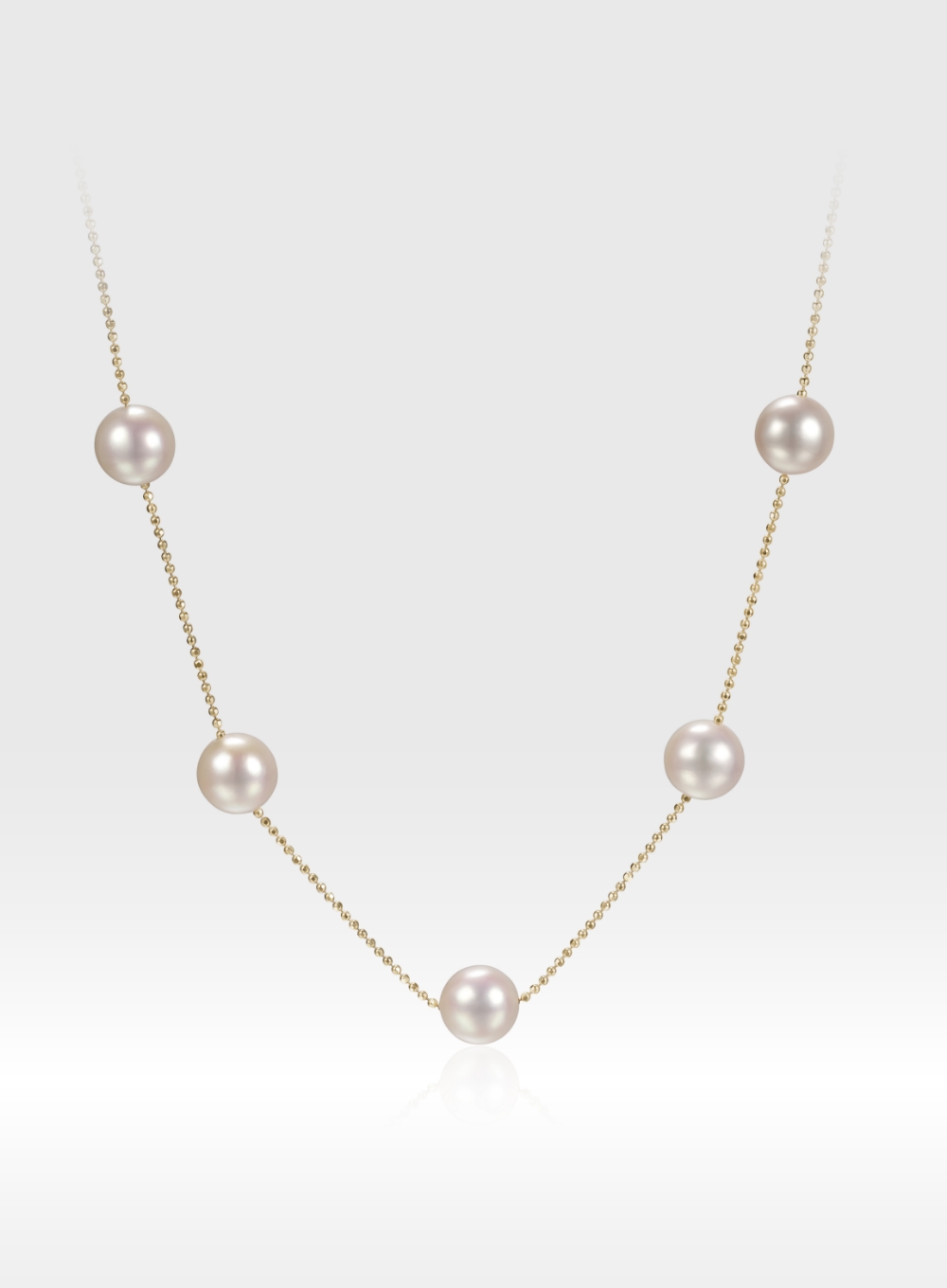
- Pearls are organic and delicate, not hard gemstones.
- Pearls contain conchiolin, which is damaged by chemicals, heat, dryness, and acidic substances such as sweat, vinegar, and fruit juices.
- Pearls need gentle care to keep their shine and lustre.
How to Wear with Care
- Put pearl jewellery on last, after perfume, lotion, and makeup.
- Remove before sleeping, showering, or exercise.
- Wipe gently with a soft cloth after wearing.
- Pearl necklaces or bracelets must be restrung at least once a year
- Silk or nylon strings absorb sweat and humidity and will either stretch or
break over time. - If there is space between the pearls, it is an indication that the string must
soon be replaced.
- Silk or nylon strings absorb sweat and humidity and will either stretch or
- Check settings regularly to ensure the pearl is secure.
How to Clean
- Use a soft, slightly damp, lint-free cloth only.
- Do not soak pearls in water.
- Let pearls dry fully before storing.
What to Avoid
- Hard impacts or dropping the watch.
- Abrasive cloths or cleaning powders.
- Ultrasonic cleaners (unless approved by the brand).
Best Storage Tips
- Store separately to avoid scratching.
- Keep in a soft pouch or fabric-lined box.
- Do not store in airtight plastic.
Good to Know
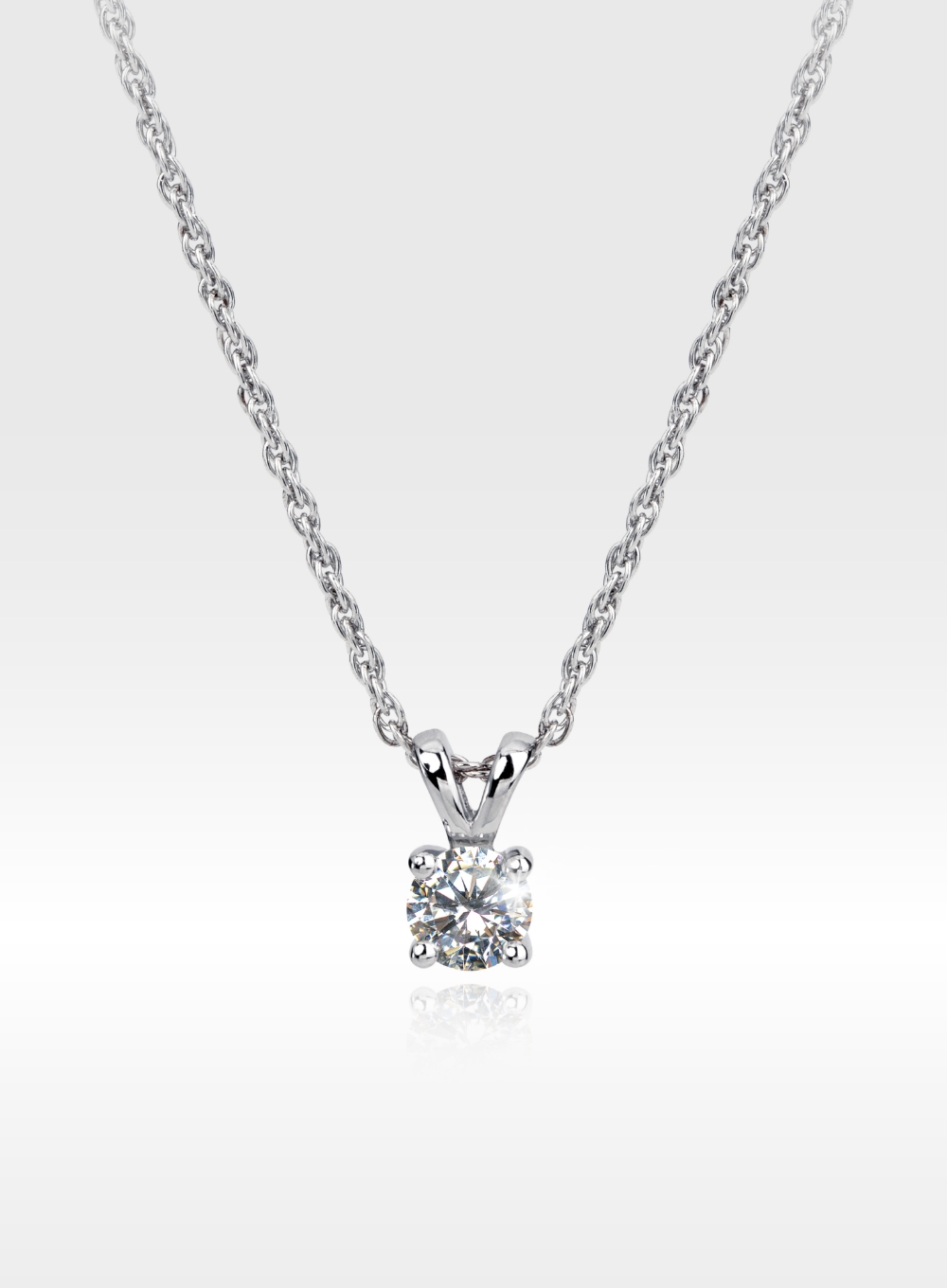
- Diamonds are the hardest natural gemstone.
- They resist scratches but can still chip if hit hard.
- Oils and dirt reduce brilliance, even if the diamond is not damaged.
How to Wear with Care
- Remove before sports, heavy work, or cleaning.
- Avoid hitting the diamond against hard surfaces.
- Check settings regularly to ensure the stone is secure.
How to Clean
- Gently wipe with a soft, dry cloth after wearing.
- If needed, use a slightly damp cloth with water only.
- Dry immediately and thoroughly.
What to Avoid
- Harsh chemicals and abrasive cleaners.
- Strong impacts or knocks.
- Touching the diamond often with fingers (skin oils dulls brilliance).
- Diamonds set in gold alloys with high karat (18 K and above) will not be damaged by household chemicals.
- Ultrasonic cleaners can be used with a mixture of ammonia and detergent; While it is best for diamonds to be professionally cleaned, for a quick homemade remedy, a solution of one-part ammonia to six-parts water is effective.
Best Storage Tips
- Store diamonds separately from other jewellery.
- Diamonds can scratch other gemstones and metals.
- Use a lined jewellery box or individual pouch.
Good to Know
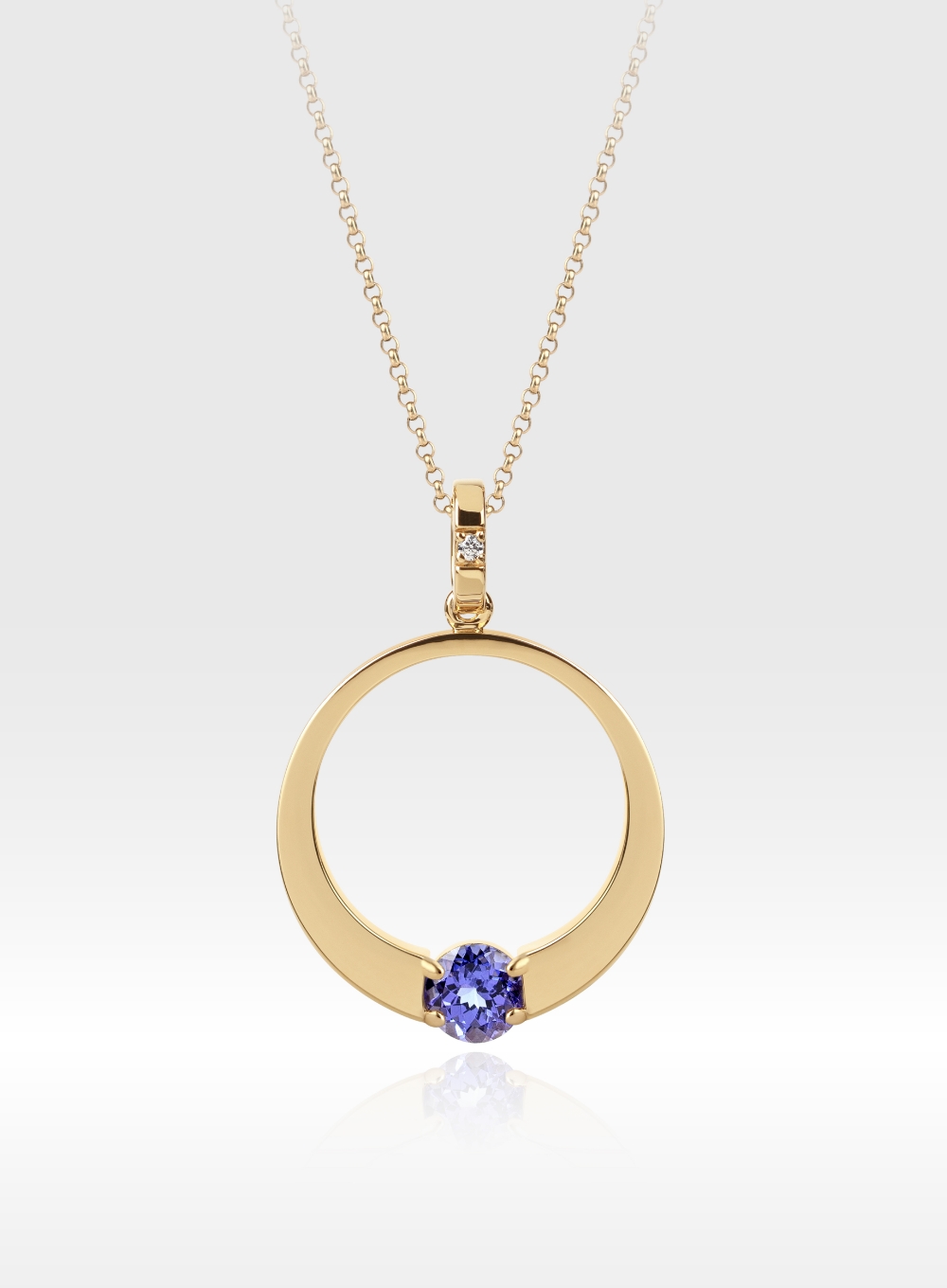
- Tanzanite is softer and more brittle than sapphire or diamond.
- It can chip or crack if knocked or dropped.
- Heat and sudden temperature changes can damage the stone.
- It is an incredibly rare gemstone.
How to Wear with Care
- Wear for occasional, special, or light daily use only.
- Remove before sports, exercise, or manual work.
- Avoid knocks against hard surfaces.
How to Clean
- Gently wipe with a soft, slightly damp cloth.
- Use water only, no soap.
- Dry immediately with a soft, lint-free cloth.
What to Avoid
- Soaking in water.
- Ultrasonic or steam cleaners.
- Soap, detergents, or chemicals.
- Sudden temperature changes.
Best Storage Tips
- Store separately in a soft pouch or lined jewellery box.
- Keep away from harder gemstones that could scratch it.
- Avoid heat and direct sunlight during storage.
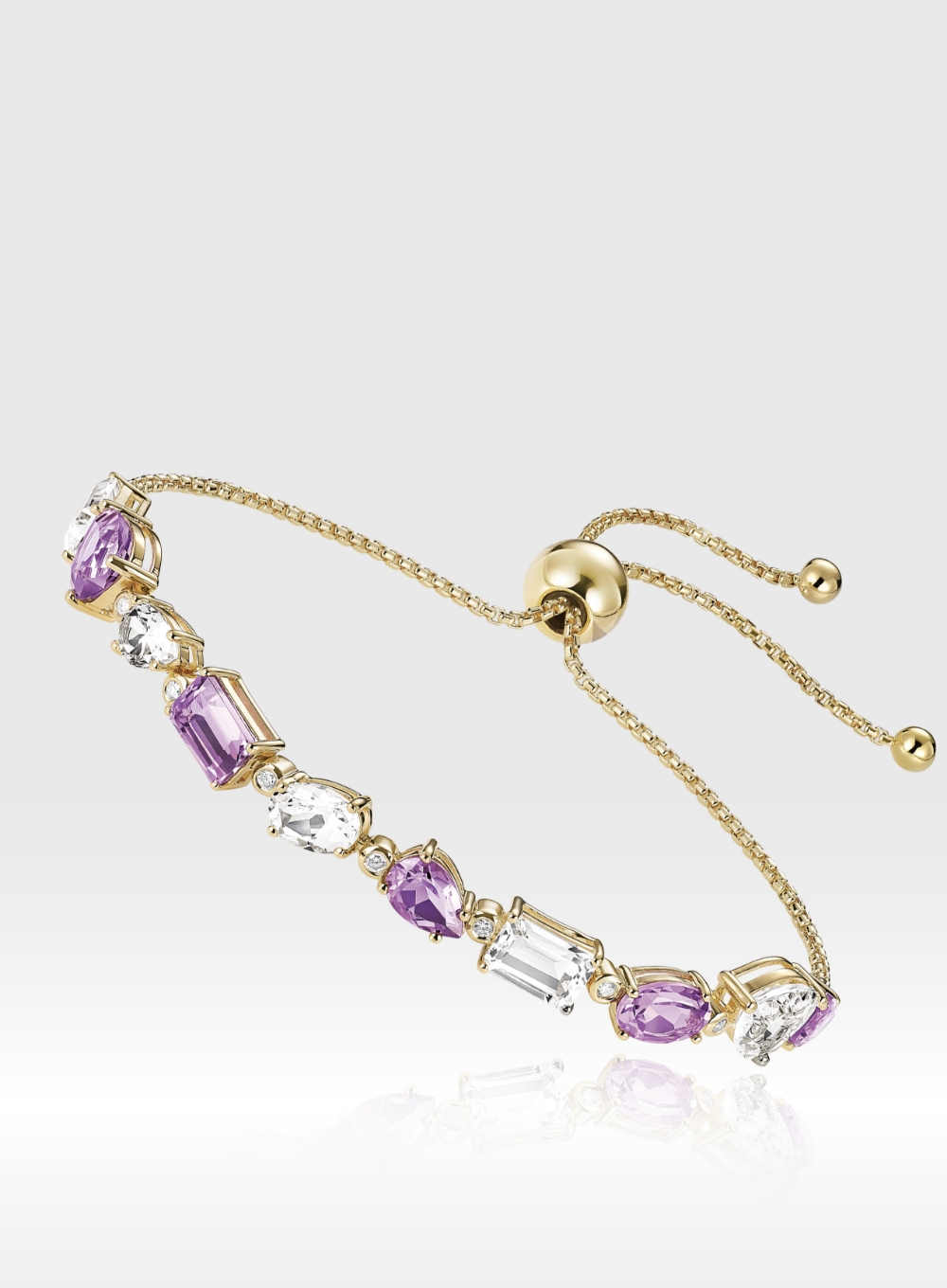
Good to Know
- Gemstones vary in hardness and durability.
- Some stones are sensitive to water, heat, or chemicals.
- Treatments and coatings may be damaged by improper cleaning.
How to Wear with Care
- Put on gemstones after perfume, lotion, and makeup.
- Remove before exercise, cleaning, or manual work.
- Avoid knocks, impacts, and pressure.
How to Clean
- Wipe gently with a soft, dry or slightly damp cloth.
- Use warm water only if the stone is known to be water-safe.
- Dry immediately with a soft cloth.
What to Avoid
- Ultrasonic cleaners and steam.
- Harsh chemicals and detergents.
- Soaking unless the gemstone is confirmed safe to do so.
- For example, these gemstones are not considered safe to soak: pearl, opal, emerald, turquoise, lapis lazuli, malachite, coral, amber, moonstone, or tanzanite.
- Some stones are also damaged by sunlight, including:
Amethyst: becomes paler.
Ametrine: may change colour.
Aquamarine: becomes paler.
Aventurine: translucent types often lose colour.
Beryl: brown or orange types may become pale pink.
Citrine: may change colour.
Kunzite: becomes pale or loses colour.
Rose Quartz: becomes paler.
Smoky Quartz: becomes paler.
Best Storage Tips
- Store gemstones separately to avoid scratches.
- Use soft pouches or a lined jewellery box.
- Keep away from heat, sunlight, and moisture.